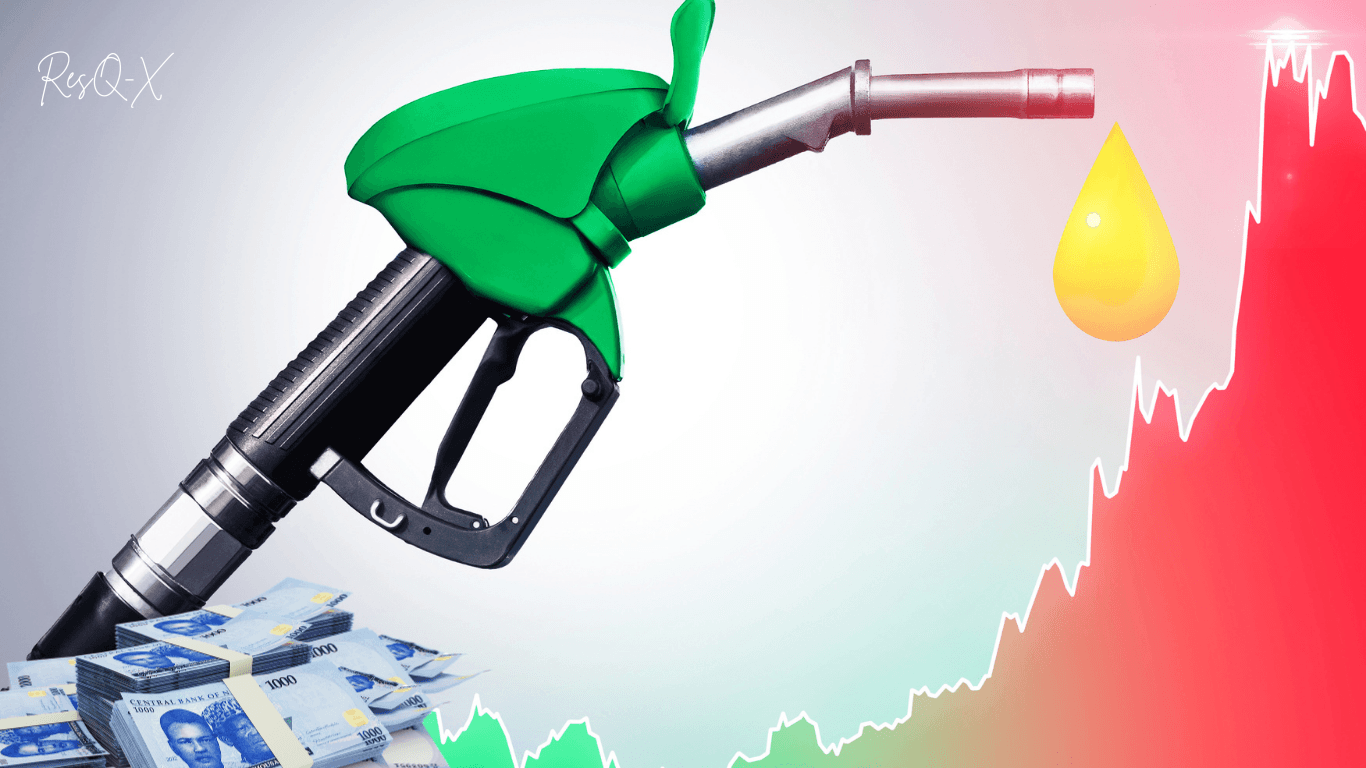
Fuel Crisis in Nigeria: How ResQ-X is Making Life Easier for Everyday Nigerians and Businesses
Published February 5, 2026
Nigeria's fuel prices have jumped from ₦615 to over ₦900 per liter, devastating poor Nigerians and small businesses. ResQ-X is making fuel delivery accessible and affordable with flexible ordering from just 5 liters, transparent pricing, payment plans, and special programs for students and essential workers. For businesses, we offer bulk discounts, payment terms, and free efficiency audits. Discover how we're helping Nigerians navigate the fuel crisis.
With fuel prices soaring from ₦615 in 2023 to over ₦900 today, millions of Nigerians are struggling. Okada riders waste hours in fuel queues, students can't afford transport to school, and small businesses are closing because generator fuel costs have tripled. ResQ-X understands these challenges and has built solutions that work for everyday Nigerians and businesses alike.
For individuals, we offer flexible ordering (as little as 500 liters weekly), transparent pricing, split payments, and special discounts for students and essential workers. For businesses, we provide bulk delivery discounts, contract pricing, payment terms up to 30 days, and free fuel efficiency audits that have helped customers save up to 60% on fuel costs. ResQ-X delivers fuel with reliability, and compassion because in tough times, Nigerians deserve service that understands their struggle.
Ready to get started?
Have questions? Reach out to us at support@resqx.ng or download our app to streamline your fleet today.
Related Articles
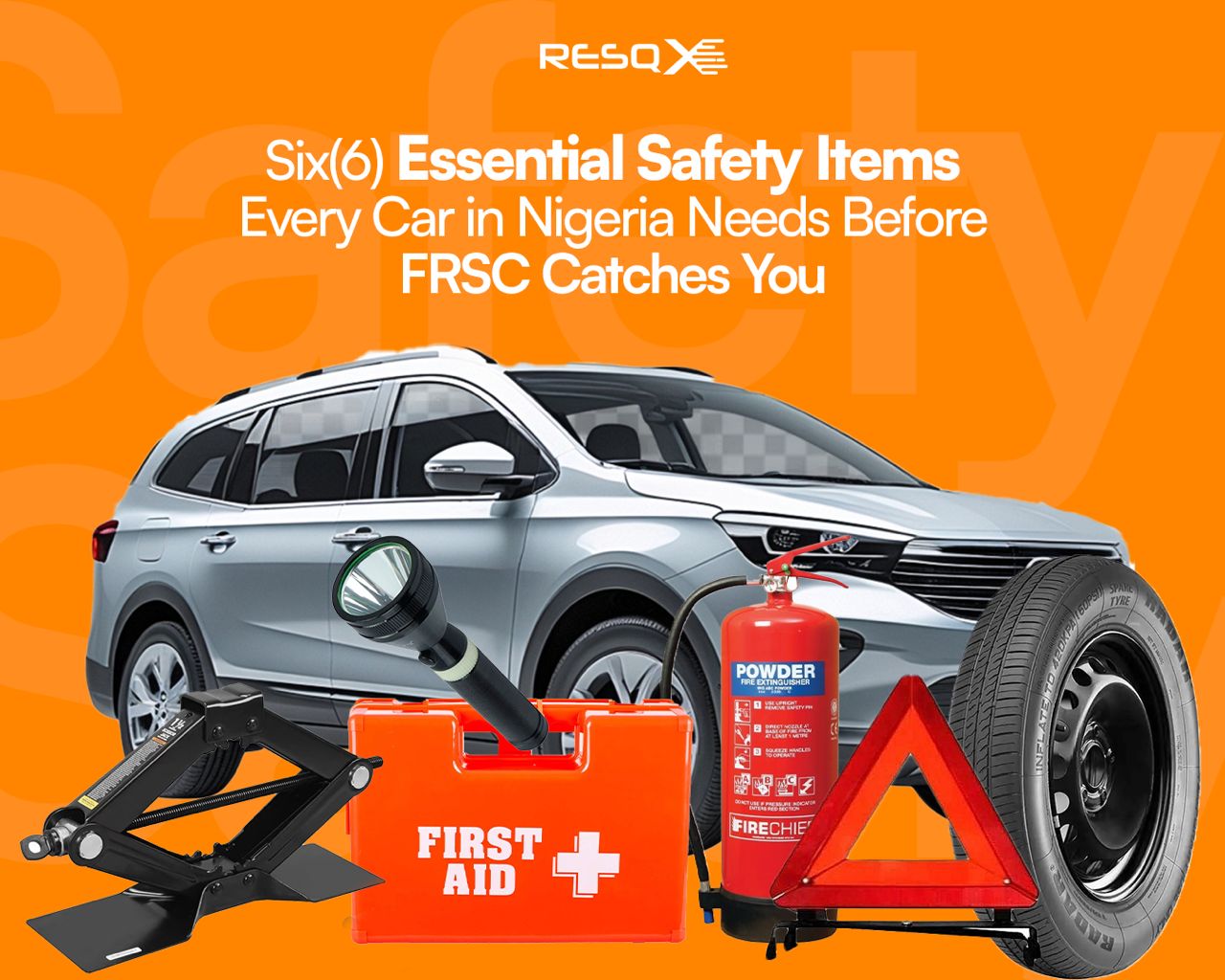
6 Essential Safety Items Every Car in Nigeria Needs Before FRSC Catches You
Driving in Nigeria is unpredictable. From avoiding heavy FRSC fines to handling sudden roadside emergencies, equipping your trunk with these 6 essential safety items is the smartest move you can make. Are you fully compliant?
How to fix a dead battery in twenty minutes without a local mechanic
A dead battery always happens when you are already running late. Learn how to get back on the road in twenty minutes with ResQ-X.
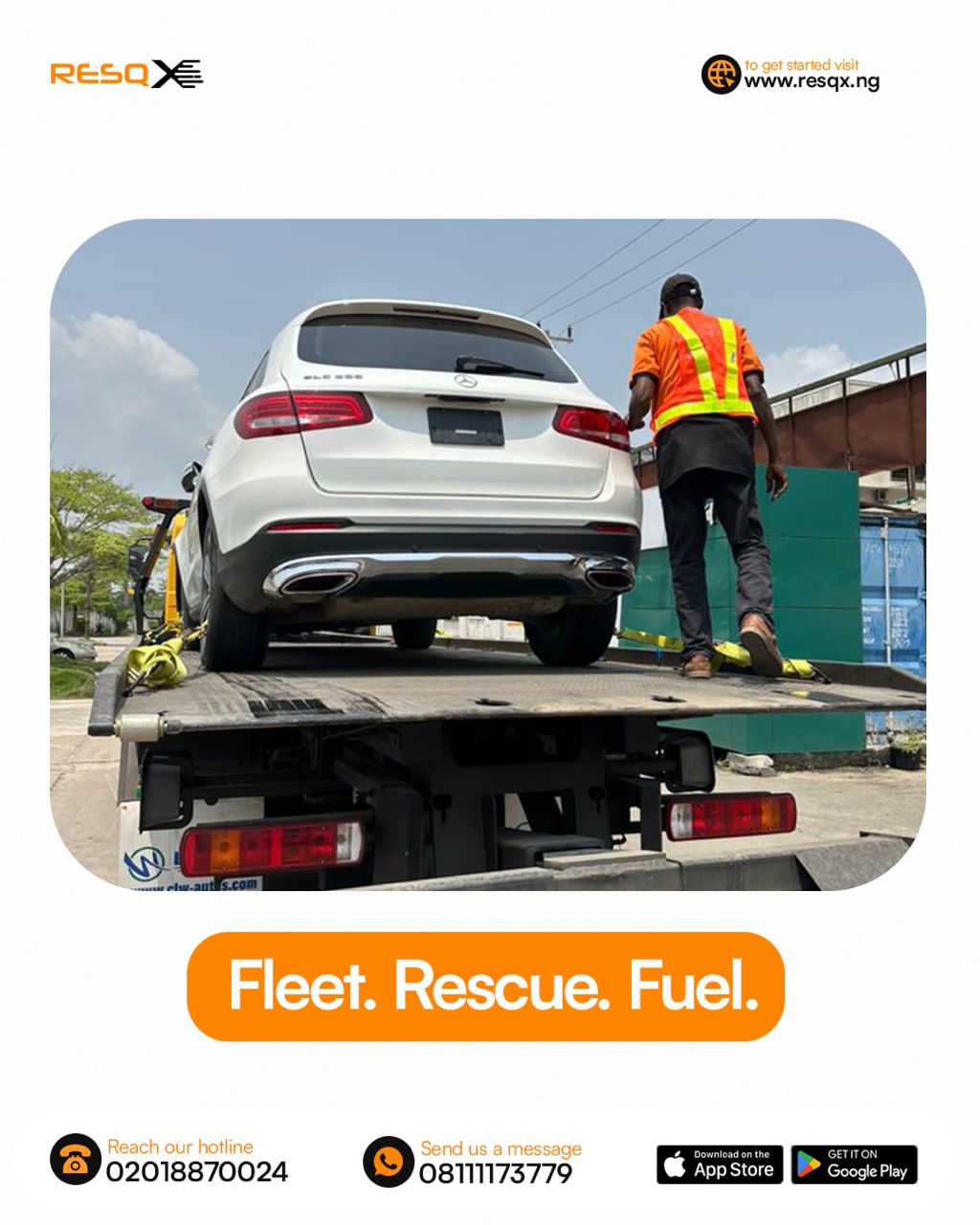
How to move your cars across Nigeria without driving them yourself
Moving to Abuja or Port Harcourt? Use ResQ-X to move your cars safely across all 36 sates in Nigeria without the stress of driving.