
Why Smart B2B Companies Partner with ResQ-X Before Fuel Hikes
Published February 17, 2026
Fuel Price Hack: Why Smart B2B Companies Partner with ResQ-X Before Fuel Hikes
Fuel prices in Nigeria are unpredictable.
One supply disruption, or one logistics bottleneck and cost of Diesel jump overnight.
For B2B companies, fuel is not just an expense; it’s an operational dependency.
And the biggest mistake businesses make is reacting after prices increase.
This is where smart fuel planning and the right partner changes everything.
Let’s break this down in real numbers.
A business without ResQ-X as a partner runs Fleet vehicles, Generators and Daily logistics operations
The average consumption is 2,000 litres per cycle
If fuel price jumps by just ₦50 per litre, here’s what happens:
2,000 litres × ₦50 = ₦100,000 extra cost
That increase was not budgeted for, comes directly from profit, affects pricing, salaries, or cash flow
And this is just one purchase.
Now multiply that by Weekly refuels, Multiple branches, Multiple vehicles...The losses add up fast.
Compared to Businesses that already work with ResQ-X.
They lock in structured supply, Reduce emergency buying, Plan refuel cycles ahead.
Instead of chasing fuel during price hikes, they’re already covered.
This doesn’t mean fuel becomes magically cheaper, it means costs become predictable, which is what protects margins.
The biggest fuel hack is not buying cheaper fuel.
It is buying before urgency, buying with structure, buying without downtime.
Hidden Costs Most Businesses Ignore
When fuel prices rise, businesses focus on price per litre but miss the hidden losses:
The time a staff waste at filling stations, business becomes slow, what about missed deliveries and delayed operations
ResQ-X removes these losses by delivering fuel directly to your location, when you need it, without disruption.
So Partner early. Plan ahead. Protect your margins.
ResQ-X
Ready to get started?
Have questions? Reach out to us at support@resqx.ng or download our app to streamline your fleet today.
Related Articles
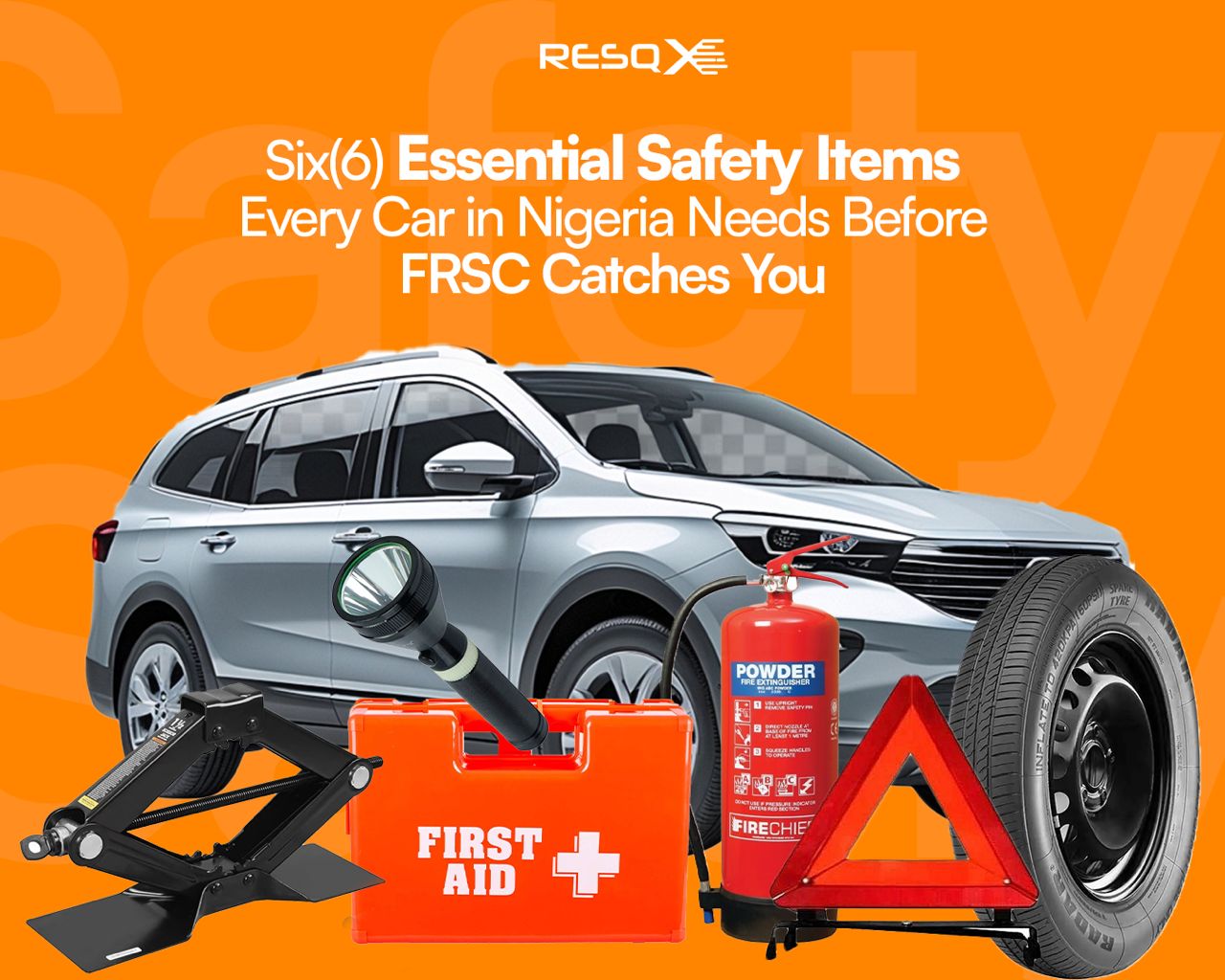
6 Essential Safety Items Every Car in Nigeria Needs Before FRSC Catches You
Driving in Nigeria is unpredictable. From avoiding heavy FRSC fines to handling sudden roadside emergencies, equipping your trunk with these 6 essential safety items is the smartest move you can make. Are you fully compliant?
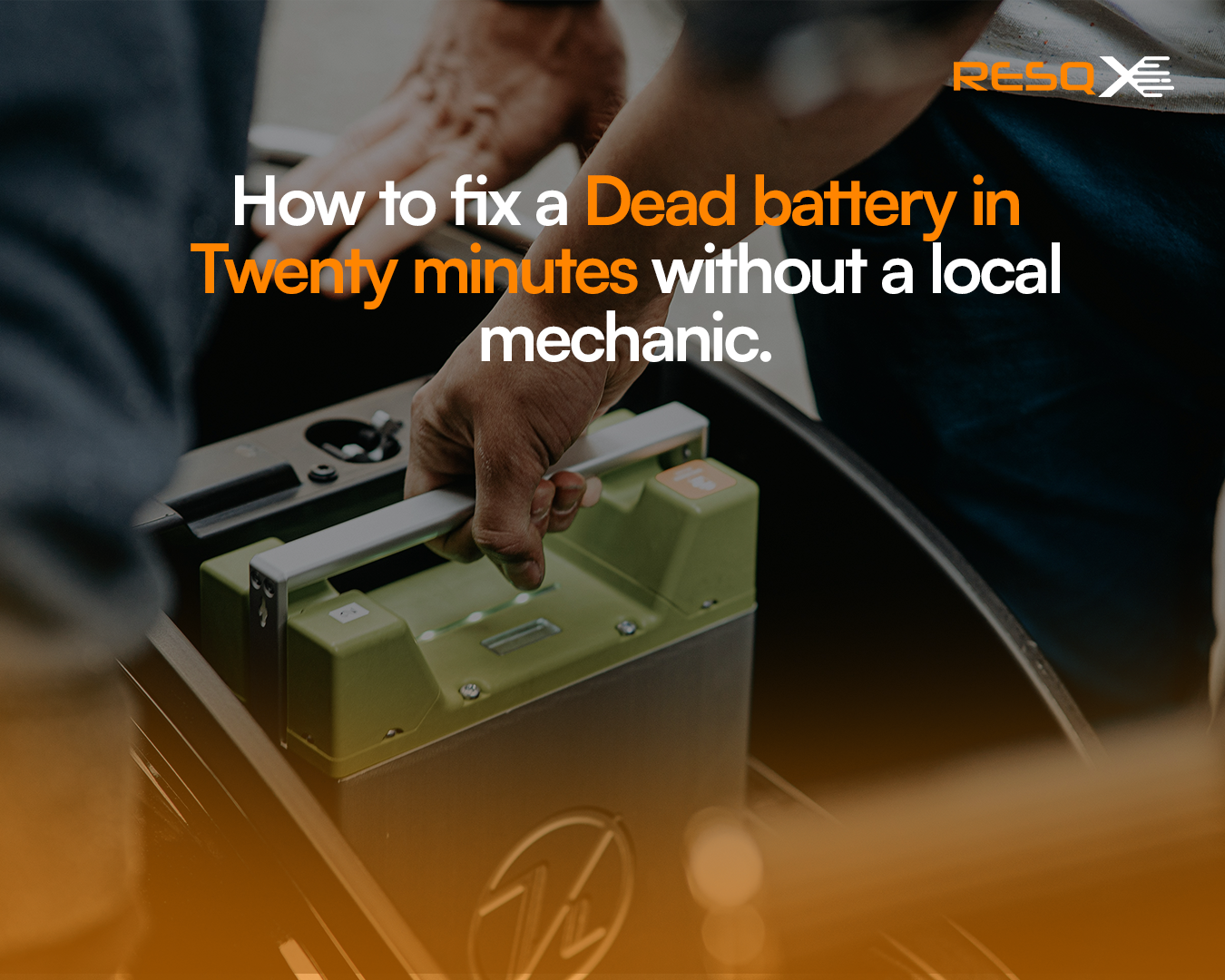
How to fix a dead battery in twenty minutes without a local mechanic
A dead battery always happens when you are already running late. Learn how to get back on the road in twenty minutes with ResQ-X.
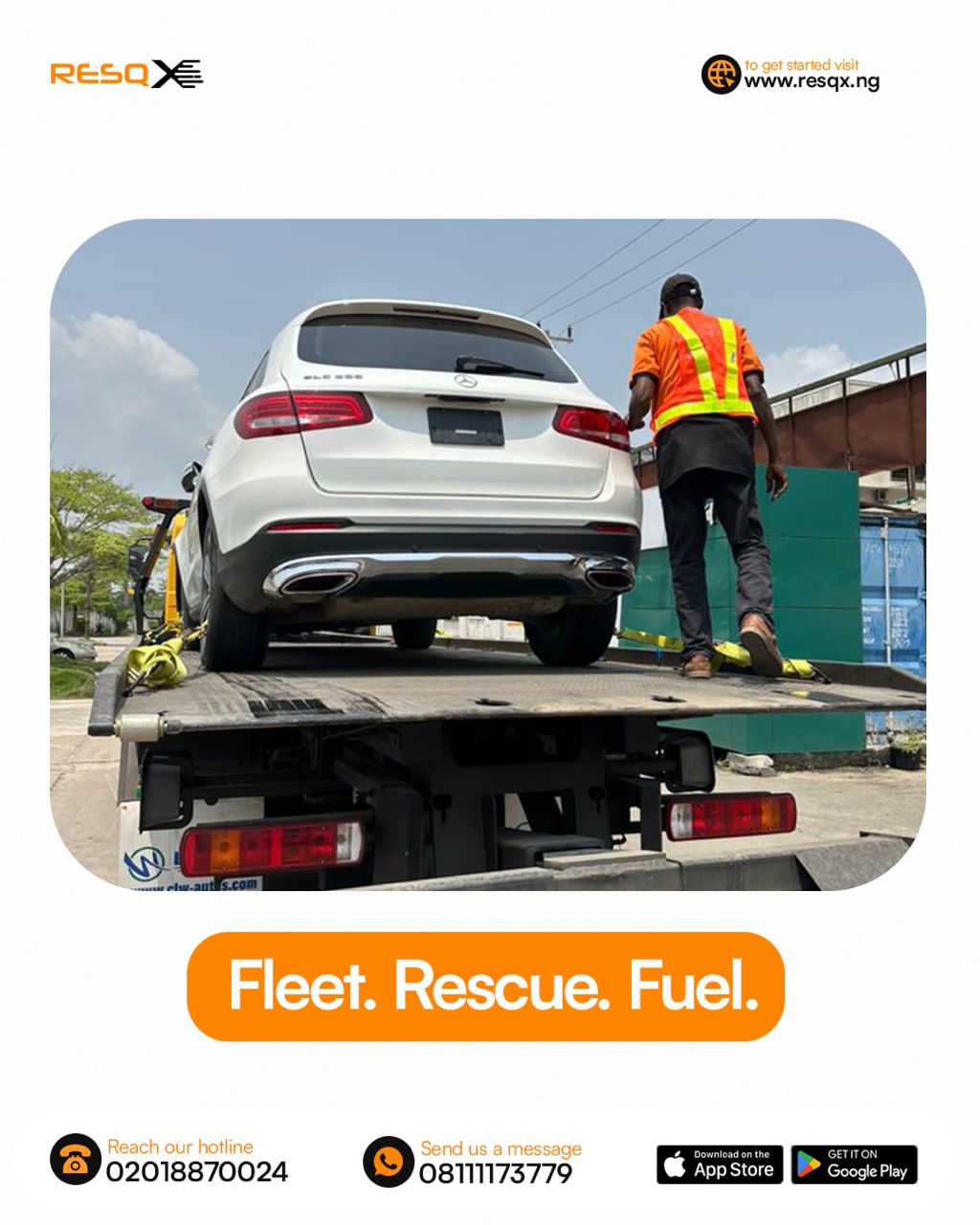
How to move your cars across Nigeria without driving them yourself
Moving to Abuja or Port Harcourt? Use ResQ-X to move your cars safely across all 36 sates in Nigeria without the stress of driving.